A safer home can reduce avoidable risks for a person living with Alzheimer’s while supporting as much independence as possible. As memory, judgment, balance, vision, and orientation change, the home may need to change too.
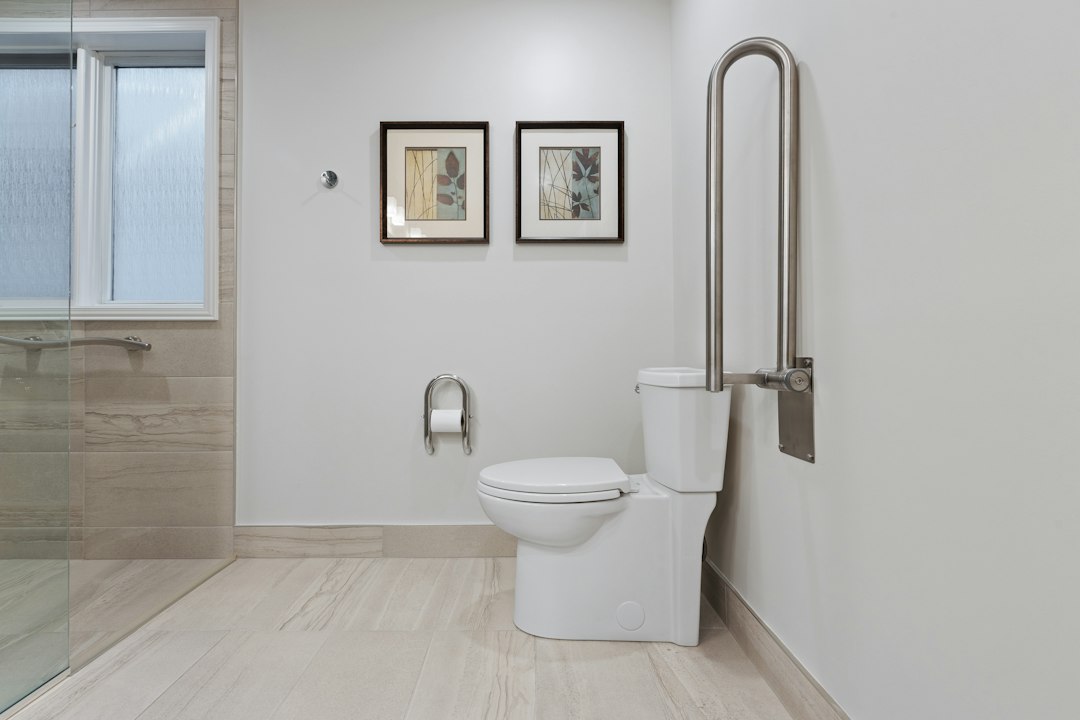
Photo by Point3D Commercial Imaging Ltd. on Unsplash.
Start with the highest-risk areas
Review the kitchen, bathroom, stairs, entrances, garage, basement, medication storage, and any place where tools, chemicals, heat, sharp objects, or tripping hazards are present. The Alzheimer’s Association recommends adapting the environment as abilities change rather than waiting for a crisis.
Daily home safety checklist
Doors and exits: Check that exterior doors are secure and that the caregiver can still exit quickly in an emergency. Consider door alerts or visual cues when wandering is a concern.
Walkways: Remove loose rugs, cords, clutter, and unstable furniture. Keep halls, stairs, bedrooms, and bathrooms well lit, especially at night.
Kitchen: Reduce access to unsafe appliances, cleaning products, knives, and other hazards. Automatic shut-off features may add another layer of protection.
Bathroom: Reduce slip risks, monitor water temperature, and keep frequently used items easy to reach.
Medications: Store medications securely and use a written list or organizer so doses can be tracked consistently.
Emergency readiness: Keep emergency numbers, current medications, medical contacts, and important documents in one easy-to-find place.
Recheck safety as needs change
A home that was safe six months ago may need new adjustments today. Reassess after falls, wandering, new confusion, medication changes, hospitalization, or a noticeable change in mobility or judgment.
Trusted references
See the Alzheimer’s Association home safety guidance and the National Institute on Aging guidance after an Alzheimer’s diagnosis.
This page is educational and does not replace individualized medical or safety advice.
For more practical caregiving guidance, visit the Alzheimer’s Caregiver Resource Center or see The Alzheimer’s Caregiver Compass™.