Bathing can become difficult for someone with Alzheimer’s because the experience may feel cold, confusing, embarrassing, rushed or frightening. Resistance is often communication: the person may be telling you that something about the situation does not feel safe or comfortable.
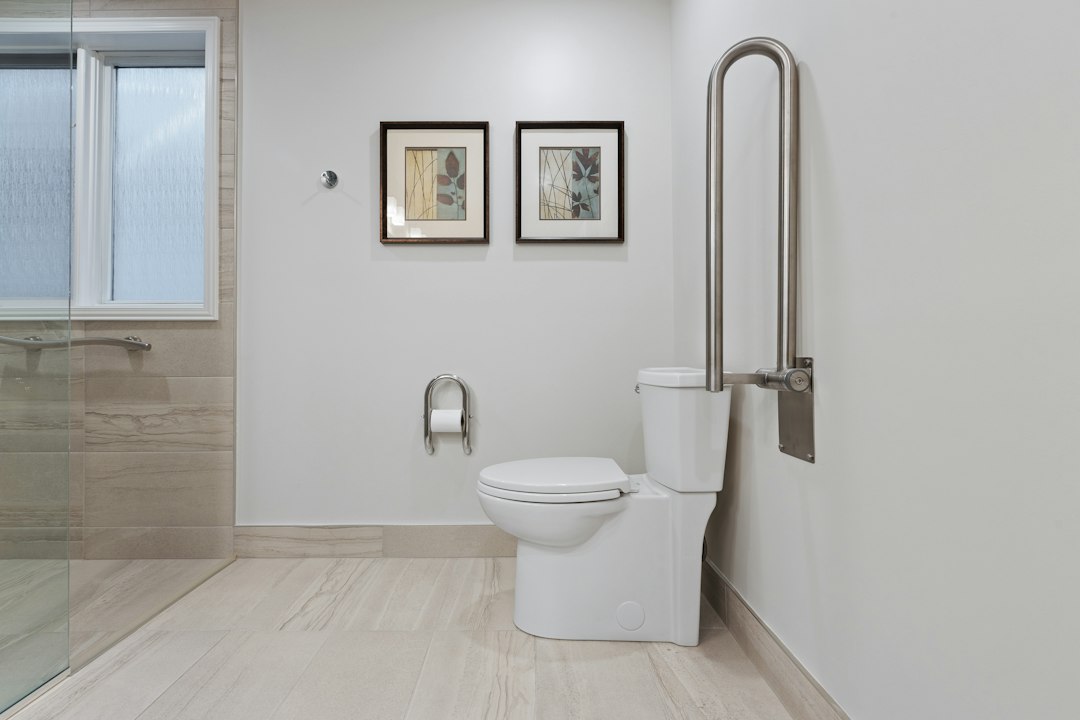
Photo by Point3D Commercial Imaging Ltd. on Unsplash.
The most useful approach is usually to reduce pressure and change the setup, rather than turning bathing into a confrontation.
For more practical day-to-day caregiving guidance, explore The Alzheimer’s Caregiver Compass™.
Before bathing
Prepare everything first: towels, soap, shampoo, clean clothes and any equipment the person normally uses. Make the room comfortably warm, reduce clutter, check the water temperature and protect privacy. If possible, choose the time of day when the person is usually calmer and more alert.
Give simple choices
Too many questions can overwhelm. Instead of asking a broad question such as “Do you want a bath?”, offer one simple next step or a limited choice, such as “Would you like the blue towel or the white towel?” Keep your tone matter-of-fact and respectful.
Protect dignity and control
Allow the person to do as much as they safely can. Cover parts of the body that are not being washed. Explain one step at a time and avoid surprising movements. Familiar music, a familiar helper or a consistent routine can make the experience feel less threatening.
If the person says no
If there is no urgent hygiene or medical need, forcing the issue may increase fear and make the next attempt harder. Pause, redirect and try again later. Consider alternatives such as a partial wash or changing the sequence of the routine.
Look for hidden causes
Pain, fear of falling, cold surfaces, skin sensitivity, fatigue, constipation, embarrassment or difficulty recognizing the bathroom can all contribute to resistance. If bathing suddenly becomes much harder than usual, consider whether a health issue or environmental change may be involved.
Safety comes first
Use appropriate grab bars, non-slip surfaces and seating if recommended for the person’s needs. Never leave someone unattended if they cannot bathe safely on their own. If resistance becomes physically unsafe for either person, stop and seek professional guidance rather than escalating the confrontation.
This page is educational and does not replace individualized medical, occupational therapy or home-safety advice.
Sources and further reading: Alzheimer’s Association: Bathing; National Institute on Aging: Bathing, Dressing, and Grooming.
Need a clearer daily caregiving framework?
The Alzheimer’s Caregiver Compass™ organizes practical guidance for routines, communication, safety, planning and caregiver support.